Prioritize a physician’s guidance before initiating any regimen that includes this medication, as medical advice tailored to individual health conditions is critical. Dosage may vary based on factors such as age, health background, and concurrent medications, making professional consultation indispensable.
This drug functions by enhancing blood flow to specific areas, enabling significant improvements in performance. Available in various strengths, including Vidalista 2.5 Mg Online, it is crucial to understand the appropriate dosage to avoid potential side effects. Common reactions can include headaches, flushing, and dizziness, often diminishing as the body acclimatizes to the medication.
Consider the following important aspects before incorporating this treatment:
- Consultation with a healthcare professional.
- Awareness of possible interactions with other drugs.
- Adherence to recommended dosage guidelines.
- Understanding longer-term effects and any necessary lifestyle changes.
- Regular monitoring of health parameters.
Below is a summary table of common dosages and expected effects:
| Dosage (mg) | Primary Use | Common Side Effects |
|---|---|---|
| 2.5 | Mild performance enhancement | Headache, nausea |
| 5 | Moderate performance enhancement | Flushing, dizziness |
| 10 | Strong performance enhancement | Back pain, stomach issues |
Advise close attention to personal health and any adverse reactions when beginning treatment. Staying informed and vigilant will lead to more effective utilization of the medication for the desired outcomes.
Understanding Dosage and Administration Guidelines for Vidalista
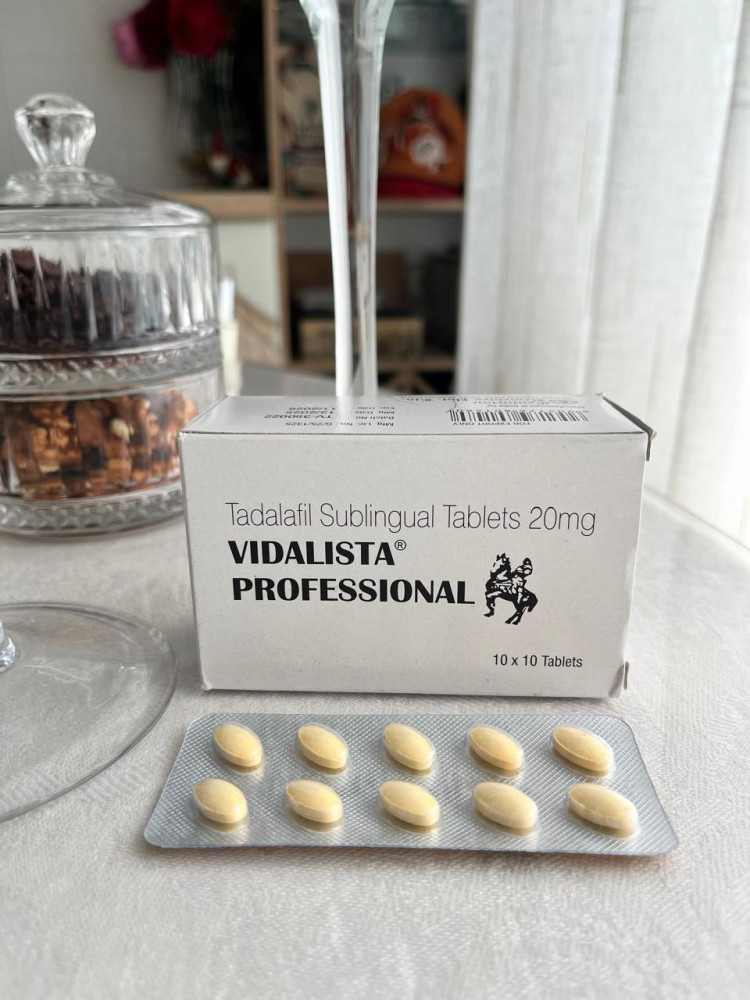
The recommended initial dosage of the medication is typically 10 mg, taken about 30 to 60 minutes before sexual activity. This amount can be adjusted based on efficacy and tolerability. It is advisable not to exceed 20 mg in a single dose.
Consistency in administration is key. If taken regularly, the maximum daily dose should not surpass 20 mg. For those considering daily usage, a lower dose of 2.5 mg to 5 mg may be recommended. This approach allows flexibility for spontaneous intimacy without the need for timing the dose.
Patients must consider certain precautions. Alcohol consumption can impede the drug’s effectiveness and should be minimized. Additionally, those with a history of cardiovascular issues should consult a healthcare provider before use.
| Dosage | Frequency | Comments |
|---|---|---|
| 10 mg | As needed | Take 30-60 minutes before sexual activity |
| 20 mg | As needed | Maximum single dose |
| 2.5-5 mg | Daily | For continuous use |
Healthcare professionals often recommend starting with a lower dose for individuals unfamiliar with the drug, allowing time to assess tolerance and side effects. If the initial dose is effective and well-tolerated, the dosage can be revisited during follow-up consultations.
- Consult a doctor if experiencing side effects or decreased effectiveness.
- Maintain a consistent healthcare routine to monitor health status.
- Inquire about interactions with other medications being taken.
In case of missed doses, guidelines suggest taking the missed dose as soon as possible if it’s not close to the next scheduled dose. Never double up doses to compensate for one that was forgotten.
Recognizing Potential Side Effects and Interactions with Other Medications
Monitoring side effects and drug interactions is paramount before considering a new medication regimen. Reported adverse reactions include headaches, flushing, and nasal congestion, occurring in approximately 10-20% of users. While often mild, awareness is crucial for effective management.
Severe side effects, although rare, may involve vision changes, sudden hearing loss, or priapism (prolonged erection). Such occurrences necessitate immediate medical attention. It is estimated that 0.4% of users experience priapism, indicating the importance of adherence to recommended dosages.
Common Side Effects

- Headaches
- Flushing
- Nasal congestion
- Dyspepsia (indigestion)
Interactions with medications can amplify risks or decrease therapeutic effectiveness. Drugs such as nitrates, commonly used for heart conditions, can cause severe hypotension when concomitantly administered, leading to dizziness or fainting. Caution is advised, with an interval of at least 24 hours recommended between these medication types.
| Medication | Potential Interaction | Recommendation |
|---|---|---|
| Nitrates | Severe hypotension | Avoid simultaneous use |
| Alpha-blockers | Increased risk of low blood pressure | Consult a physician |
| Some Antifungals (e.g., Ketoconazole) | Increased medication concentration | Assess need for dosage adjustment |
Before introducing a new medication, consult medical professionals regarding current prescriptions and health conditions. It aids in identifying risk factors and optimizing overall health. Inform your physician of any unusual experiences during treatment, as early detection can prevent complications.
Discuss lifestyle factors, including alcohol consumption, as they may exacerbate side effects or interactions. In general, moderation is advised, with the potential for increased risk observed with excessive intake. Always prioritize a comprehensive review of health history and medications with your healthcare provider.