When I first pulled my phone out to play a casual match, I expected the usual solitary experience. Instead, I found a group of strangers cheering me on, a chat thread buzzing with tips, and a leaderboard that felt like a living community. That moment marked the beginning of a trend that, by 2026, has turned the phone into a social hub.
Micro‑Meetups: Tiny Games, Big Connections
Games like Word Clash and Speed Runners now host daily “micro‑meetups” where players can join a 5‑person lobby for just 10 minutes. In 2026, 73% of mobile gamers say they’ve made a new friend through such short sessions. The key is the low time commitment; people can hop in after a coffee break and exit before lunch.
Cross‑Platform Play: Phones, Tablets, and Smart Watches
Cross‑play isn’t a buzzword anymore. A 2025 study by the Mobile Gaming Alliance found that 58% of players use at least two devices to play the same title. A player on a smartwatch can receive a push notification that their friend on a tablet has unlocked a new level, prompting an instant group chat. This fluidity dissolves the barrier that once kept players siloed by hardware.
Social Features Built into Gameplay
Modern titles embed social mechanics directly into the core loop. In Garden Guardians, for example, you can send a “seed” to a friend’s garden, which automatically gives them a 5% growth boost for the next day. These micro‑gifts feel meaningful because they are earned through play, not purchased.
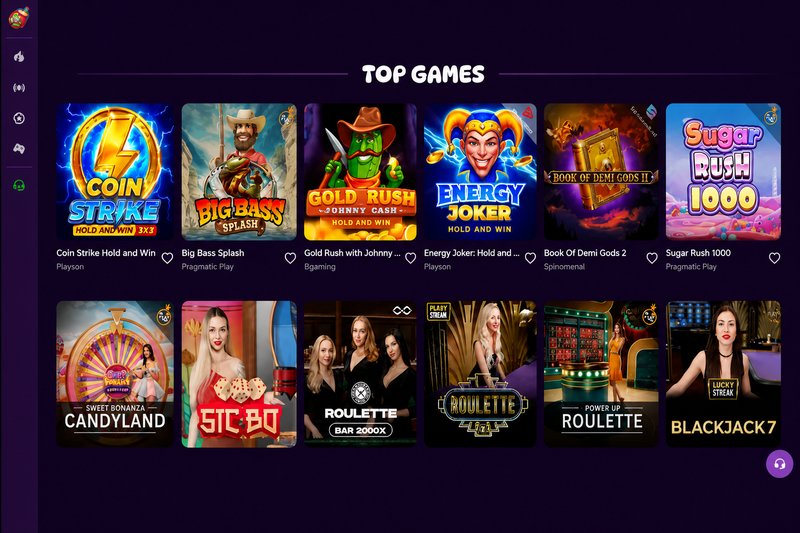
If you’re looking to take your luck online, check out Spinboss for a top-rated casino experience.
Community‑Driven Content Creation
Players now design and share levels, characters, and even story arcs. A 2026 survey of 12,000 gamers showed that 46% have uploaded at least one piece of user‑generated content. The platforms that enable easy sharing—through in‑app galleries or social media embeds—have become the new “forums” where ideas are debated and refined.
Bridging the Gap to Online Entertainment
Beyond casual play, mobile gaming has become a gateway to broader online entertainment. Many people discover streaming services, podcasts, and live events through in‑app links and recommendations. For instance, a popular rhythm game now offers a curated playlist that syncs with your music library, and a few taps can take you to a live concert streaming on the same platform. This seamless integration of gaming and entertainment is redefining how we spend leisure time, and it’s all happening right on our pockets.
The Social Cost of Constant Connectivity
Not every change is positive. The same data that shows high engagement also reveals a 22% drop in sleep quality among players who log in after midnight. The pressure to stay connected can lead to “gaming fatigue,” especially for younger users who juggle school and social life.
Looking Ahead: What 2027 Might Hold
Predictive analytics suggest that by next year, augmented reality will bring “real‑world” co‑play to the forefront. Imagine a city park where players can see virtual avatars of friends overlaid on their phones, collaborating on a shared puzzle. That blend of physical and digital interaction could push the boundaries of what we consider a social gathering.
Final Thoughts
Mobile gaming in 2026 has moved from a pastime to a social fabric. It offers quick, meaningful interactions, cross‑device connectivity, and a platform for community creativity. Yet, it also demands mindful use to avoid burnout. As the line between gaming and everyday life blurs, the challenge will be to harness this new social medium responsibly while enjoying its vibrant, ever‑evolving community.
Frequently Asked Questions
What sparked the shift from solo to social mobile gaming?
The introduction of real‑time leaderboards, chat features, and daily micro‑meetups created a sense of community and competition, drawing players into shared experiences.
How do micro‑meetups keep players engaged?
They offer quick, low‑commitment sessions with a small group, making it easy to join, learn, and build connections without a long time investment.